

Interactive LED display walls now shape how museums and experience centers design immersive learning. As audiences seek richer engagement, traditional static exhibits struggle to satisfy modern expectations. Therefore, institutions adopt interactive LED display walls to deliver visual depth, intuitive control, and shared discovery. These systems reshape visitor journeys while offering flexible design options for evolving content needs. Because of their dynamic nature, they transform passive spaces into active environments that spark curiosity and extend dwell time.
Visitor behavior continues to evolve as digital-native generations seek multi-layered storytelling. Museums once relied on text panels and fixed graphics. Today, visitors expect responsive visuals that update as they interact. Interactive LED display walls meet that expectation because they support real-time input and adaptive content. Although traditional displays still provide context, interactive LED walls deliver a stronger emotional impact. Consequently, visitors stay longer because they control how the story unfolds.
Experience centers also adopt this trend because visitor retention drives commercial value. Higher retention raises experiential satisfaction and increases brand recall. Interactive LED walls reinforce these goals by creating sensory-rich narratives that users navigate themselves. When the experience feels personal, visitors explore deeper levels of information before leaving the space.
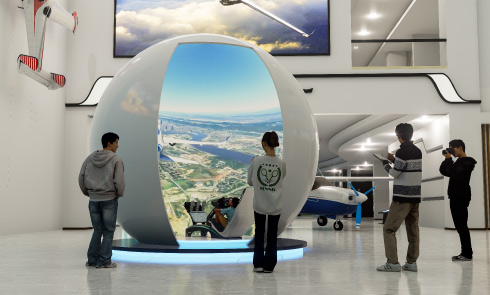
Modern museums operate with growing pressure to attract a broader demographic. They must also retain returning visitors. Interactive LED walls address these challenges through immersive engagement possibilities. These walls merge educational value with entertainment flow, and their modularity adapts to limited floor areas. As a result, museums introduce more interactive zones without redesigning entire buildings.
Curators also appreciate interactive LEDs because they simplify content updates. Instead of replacing printed panels, staff adjust content through software. This approach reduces labor and ensures fresh storytelling. Moreover, digital content offers layered complexity that printed text cannot replicate. Visitors can access beginner-friendly explanations or expert-level insights within the same display.
Interactive LED display walls depend on several advanced technologies that support responsiveness and stability. Pixel pitch, panel architecture, processing systems, and sensing modules work together to create seamless interaction. While each museum designs its exhibit differently, core elements remain consistent across installations.
High-resolution LED modules provide crisp visuals even at close viewing distances. Narrow pixel pitches allow visitors to approach the display without seeing pixel separation. Consequently, the visual impact remains strong from all angles.
Touch sensing also plays a major role. Some installations use direct touch overlays that track finger movement. Others use motion sensors, infrared cameras, or depth sensors. These tools detect gestures, pointing, and body movement. Because of that flexibility, museums design experiences that fit their themes.
Interactive processors manage content transitions. They ensure visual fluidity when users trigger actions. Since this system must respond quickly, processors handle heavy data workloads with low latency. Smooth transitions keep visitors engaged because interruptions break immersion and reduce emotional impact.
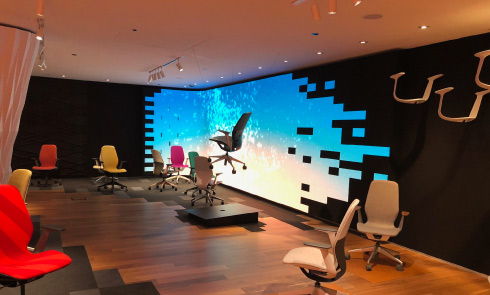
Visitor retention depends on emotional immersion and cognitive engagement. Interactive LED walls achieve these goals because they combine visual stimulation with active involvement. When visitors control the experience, they stay longer and explore more.
Visitors enjoy discovering hidden layers of content. Interactive LED walls reveal information only after users touch icons, move within detection zones, or trigger motion cues. This moment of discovery encourages them to continue exploring. The display feels alive and therefore motivates deeper attention.
Every visitor interacts differently. When LED walls support multiple branches of content, each person creates a unique path. Personalized exploration drives retention because users feel ownership of their journey. They slow down because they want to uncover every available layer.
Interactive LED display walls often attract groups. When multiple users gather around a wall, the experience becomes social. Shared discovery increases enjoyment and encourages conversation. Groups naturally stay longer as each member participates.
Responsive visuals keep visitors alert. When the display reacts instantly to gestures, users pay closer attention. This feedback loop encourages extended play. Over time, short moments of curiosity evolve into longer engagement phases.
Many museums struggle with visual fatigue. Text-heavy exhibits push visitors to rush through halls. Interactive LED walls balance visual richness with intuitive navigation. As visitors engage through motion or touch, they feel less overwhelmed. Consequently, they spend more time exploring the exhibit.
Museum environments require thoughtful design because they handle diverse age groups, learning styles, and mobility needs. Interactive LED display walls therefore incorporate ergonomic structures and intuitive interfaces. These design principles ensure accessibility while preserving immersive quality.
Exhibit halls vary in size. Modular LED panels allow designers to match wall dimensions to available space. Curved surfaces, angled layouts, and multi-wall configurations add depth. Larger walls support panoramic storytelling. Smaller walls support focused narratives.
Content design influences retention. Museums develop layered storytelling frameworks that include visuals, text snippets, animations, and historical data. Interactive triggers allow visitors to switch between topics without leaving the central display. This structure maintains flow and prevents cognitive overload.
Museums host constant foot traffic. Interactive LED walls must withstand frequent touches, occasional impacts, and long operational hours. Industrial-grade enclosures protect LED modules. Internal support frames maintain alignment. Shock-resistant components reduce the risk of pixel damage.
Continuous operation generates heat. Professional LED walls use efficient heat dissipation systems that maintain safe operating temperatures. Stable temperatures preserve LED brightness and prolong lifespan. When heat management functions effectively, walls perform consistently throughout long exhibition cycles.

Although projection mapping once dominated immersive environments, LED display walls now deliver superior quality. Projection systems depend on ambient darkness and require delicate calibration. Interactive LED walls outperform them because they maintain brightness in open halls, resist distortion, and support touch input without external hardware.
LED walls also provide unmatched color depth. Their contrast ratios remain stable under diverse lighting conditions. Visitors enjoy sharp visuals even during daylight hours. Moreover, projection bulbs degrade quickly. LEDs maintain consistent luminance over long periods. This reliability reduces maintenance and improves visitor experience.
Museums emphasize education. Interactive LED walls amplify knowledge transfer through layered understanding. Visual animations simplify complex ideas. Interactive diagrams break information into digestible parts. Because visitors control the pace, they absorb information more comfortably.
For science museums, interactive LED walls simulate experiments or geological processes. History museums display timelines that visitors explore through touch. Art museums reveal hidden stories behind artwork. This blend of visual clarity and hands-on learning improves comprehension and memory retention.
Interactive LED walls often integrate audio, motion effects, and ambient lighting. These sensory additions strengthen storytelling. When visitors hear sound cues as they activate content, emotional depth increases. Sensors detect movement and adjust visuals accordingly. This synchronized experience creates a multi-sensory narrative that encourages longer stay.
Some museums add haptic feedback or environmental effects such as breeze simulation or temperature shifts. These elements support realism. When visitors feel the environment adapt to their actions, they remain deeply engaged.
Modular LED walls adapt easily to temporary installations. Panels assemble quickly and support diverse floor plans. Museums use this flexibility to rotate interactive exhibits throughout the year. Since visitors enjoy novelty, these rotating displays draw repeat traffic.
Traveling exhibitions also benefit from modularity. LED panels pack efficiently, maintain their calibration, and install quickly across venues. Their durability ensures consistent performance despite transport challenges.
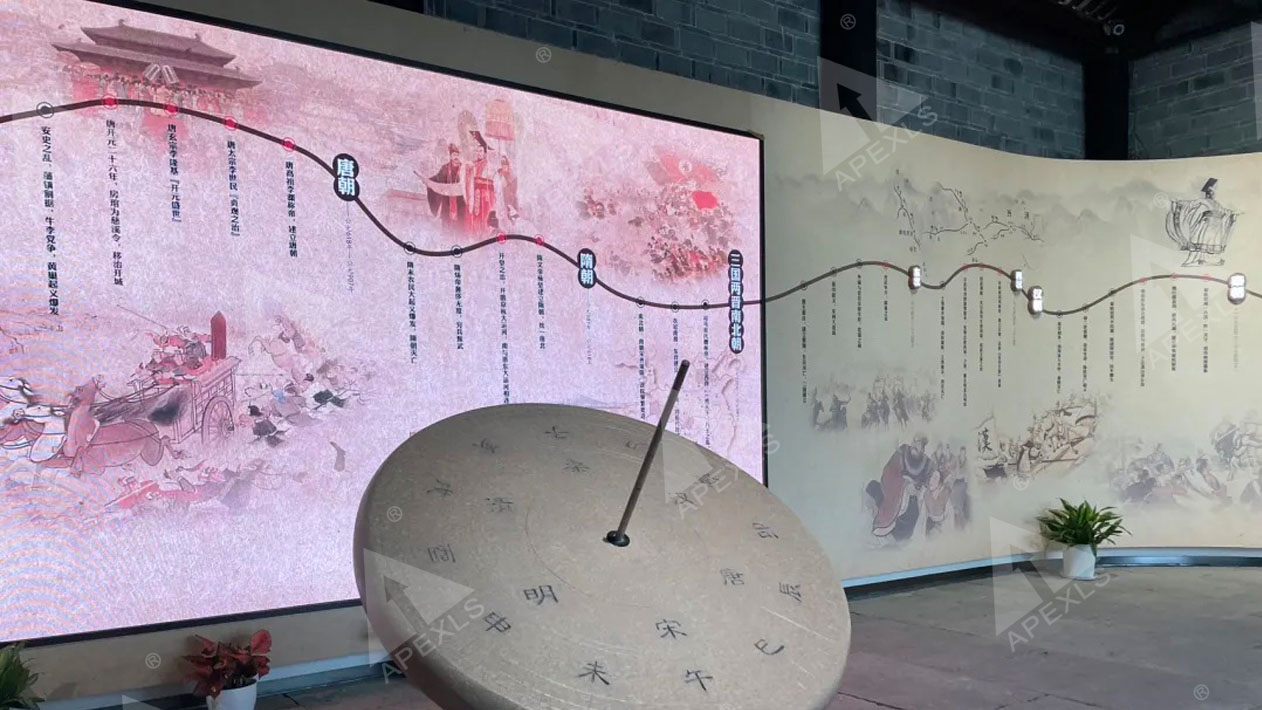
Interactive LED walls support analytical insights. Sensor data reveals how long visitors interact, which areas they explore, and how often they return. Museums use this data to refine layouts, adjust content, and design future experiences.
Analytics also highlight accessibility challenges. If certain zones receive less attention, content designers revise interaction points. Continuous improvement strengthens visitor retention further.
Modern LED walls consume less energy than older display systems. Their long lifespan reduces replacement waste. Museums seeking sustainable solutions appreciate these advantages. Efficient power management systems adjust brightness to match ambient light, further reducing energy consumption.
When exhibitions upgrade content, only software changes are necessary. This helps institutions reduce material waste and environmental impact.
Interactive LED display walls have become essential tools for museums and experience centers. They transform static halls into immersive environments that encourage exploration and extend dwell time. By combining dynamic visuals, responsive interaction, and modular design, they deliver personalized journeys that appeal to diverse audiences. Museums adopt these systems because they increase retention, enhance educational value, and support flexible storytelling.
As visitor expectations continue to rise, interactive LED display walls will define the next decade of cultural experiences. Their adaptability, durability, and emotional impact make them powerful assets for institutions seeking deeper engagement and stronger educational outcomes.