
For decades, stage design followed a familiar logic. A solid backdrop defined the visual boundary of the performance. LED screens, scenic panels, and lighting trusses formed a closed system, separating performers from their surroundings. This approach delivered control, but it also imposed limits. The environment outside the stage—city skylines, waterfronts, mountains, or architectural landmarks—remained visually disconnected from the show itself.
Today, that paradigm is changing. Outdoor stage LED transparent displays are redefining how stages interact with their environments. Rather than blocking space, they invite it in. Rather than replacing reality with pixels, they layer digital visuals onto the physical world. As a result, stages no longer feel static or sealed. They breathe.
From a product perspective, transparent LED technology enables designers, brands, and cultural institutions to merge performance with place. For high-end cultural tourism projects and brand showcases, this shift unlocks a new level of immersive storytelling—one where nature, architecture, and digital art coexist in real time.
This article explores how creative LED transparent displays dismantle traditional stage thinking, how their technical and aesthetic advantages reshape visual experiences, and why they have become a cornerstone for premium outdoor events seeking distinctive, emotionally resonant impact.
Table of Contents
ToggleThe Limits of Traditional “Closed Backdrop” Stage Design
Traditional stage LED screens excel at brightness, resolution, and content control. However, they also impose a fundamental constraint: visual isolation. Once a solid LED wall rises behind performers, it dominates the visual field and obscures everything beyond it.
In indoor venues, this limitation rarely matters. But in outdoor environments—historic plazas, waterfronts, scenic parks, urban rooftops—it becomes a missed opportunity. Audiences attend these events not only for the performance, but also for the setting. When the backdrop blocks the skyline or landscape, the stage competes with its surroundings rather than collaborating with them.
Moreover, high-end audiences increasingly seek authenticity and emotional depth. They respond to experiences that feel unique to a location rather than interchangeable across venues. Closed-backdrop designs struggle to deliver this sense of place.
Outdoor stage LED transparent displays address this challenge by reframing the role of digital visuals. Instead of replacing reality, they enhance it.
What Makes Transparent LED Displays Fundamentally Different
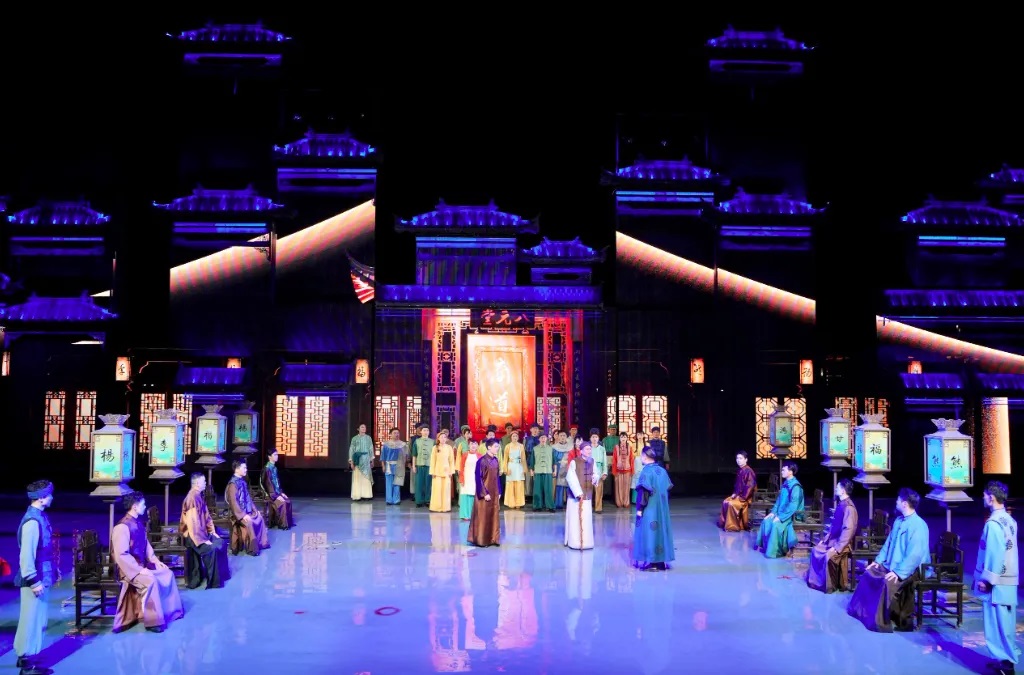
LED transparent displays differ from conventional LED screens at both a structural and experiential level. Their defining feature is high transparency combined with dynamic visual output.
Structural Transparency
Unlike solid LED panels, transparent LED screens use a grid or mesh structure with controlled pixel spacing. This design allows light, air, and sightlines to pass through the display. Depending on the configuration, transparency rates can exceed 60% or even 80%.
As a result, the audience sees both the digital content and the environment behind it simultaneously. City lights shimmer through animated visuals. Natural landscapes remain visible as digital elements float in front of them.
Visual Layering Instead of Visual Blocking
This layered effect fundamentally changes how stage visuals behave. Content designers no longer think in terms of “covering” the background. Instead, they design graphics that interact with what already exists.
For example, abstract light patterns can echo the movement of trees in the wind. Digital constellations can align with real stars above an open-air venue. Brand visuals can appear to hover within architectural structures rather than masking them.
This approach transforms the stage into a living canvas.
Letting the Environment Become Part of the Performance
One of the most powerful advantages of outdoor stage LED transparent displays lies in their ability to incorporate real environments into the narrative.
Urban Nightscapes as Dynamic Backdrops
In city-based events, transparent LED screens allow skylines, bridges, and illuminated buildings to remain visible. Instead of fighting urban light pollution, designers embrace it.
Digital visuals can synchronize with city lights, amplifying rhythm and scale. During a brand launch, for instance, animated graphics may align with traffic flow or architectural lighting, creating a cohesive urban spectacle that feels native to its location.
Natural Landscapes as Living Scenery
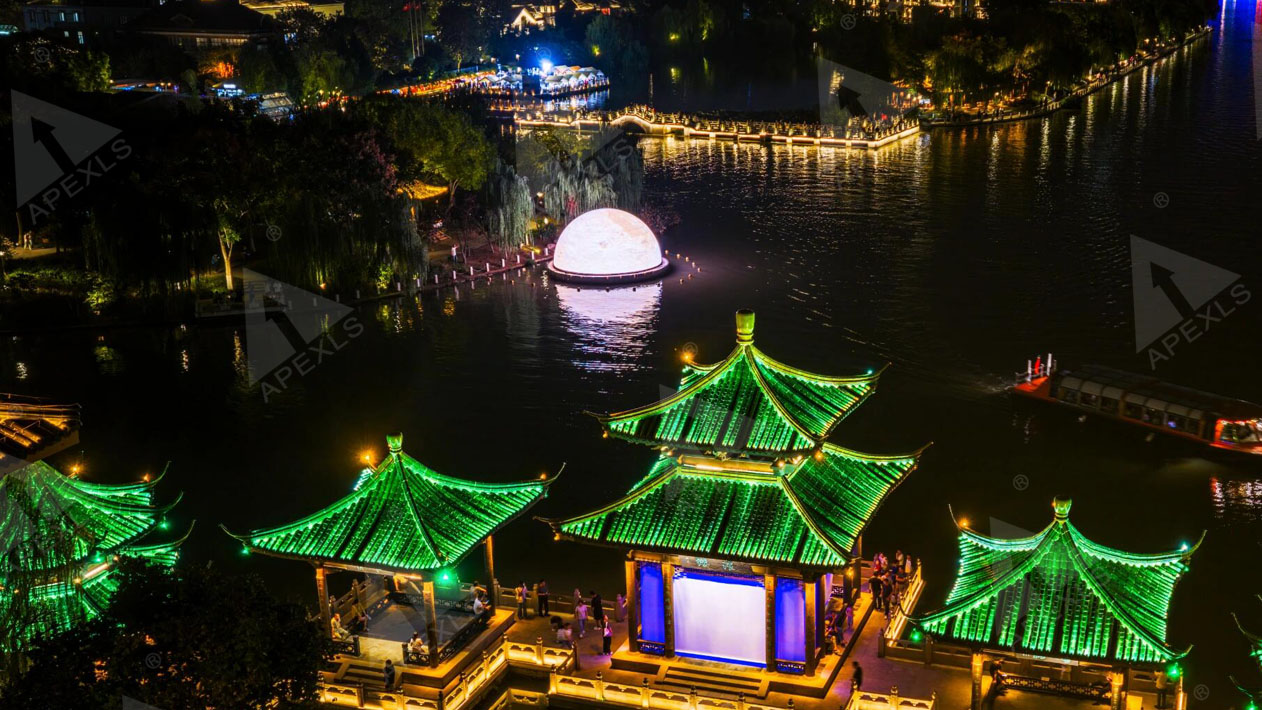
In cultural tourism performances staged near mountains, lakes, or coastlines, transparent LED displays preserve the emotional power of the landscape. As daylight fades, digital visuals gradually emerge, blending seamlessly with the changing sky.
This transition enhances immersion. Audiences experience not a sudden shift from nature to technology, but a smooth dialogue between the two. The stage appears to respond to its environment, reinforcing the idea that the performance belongs to that specific place and moment.
Breathing Stages: Motion, Light, and Spatial Freedom
The metaphor of a “breathing” stage captures more than transparency. It reflects how transparent LED screens interact with airflow, lighting, and movement.
Physical Openness
Because transparent LED panels allow air to pass through, they reduce wind resistance compared to solid walls. This feature proves especially valuable for outdoor stages exposed to coastal breezes or elevated locations.
From a product design standpoint, this openness enhances safety and structural stability while enabling larger, more daring installations.
Light Integration
Traditional LED backdrops often overpower stage lighting. Transparent LED displays, by contrast, cooperate with lighting design. Light beams pass through the screen, creating depth and dimensionality.
Designers can place lighting fixtures behind or within the transparent screen, producing layered effects that evolve throughout the performance. This integration reinforces the sense that visuals and physical space exist in harmony.
Immersive Visual Art Through Virtual–Real Fusion
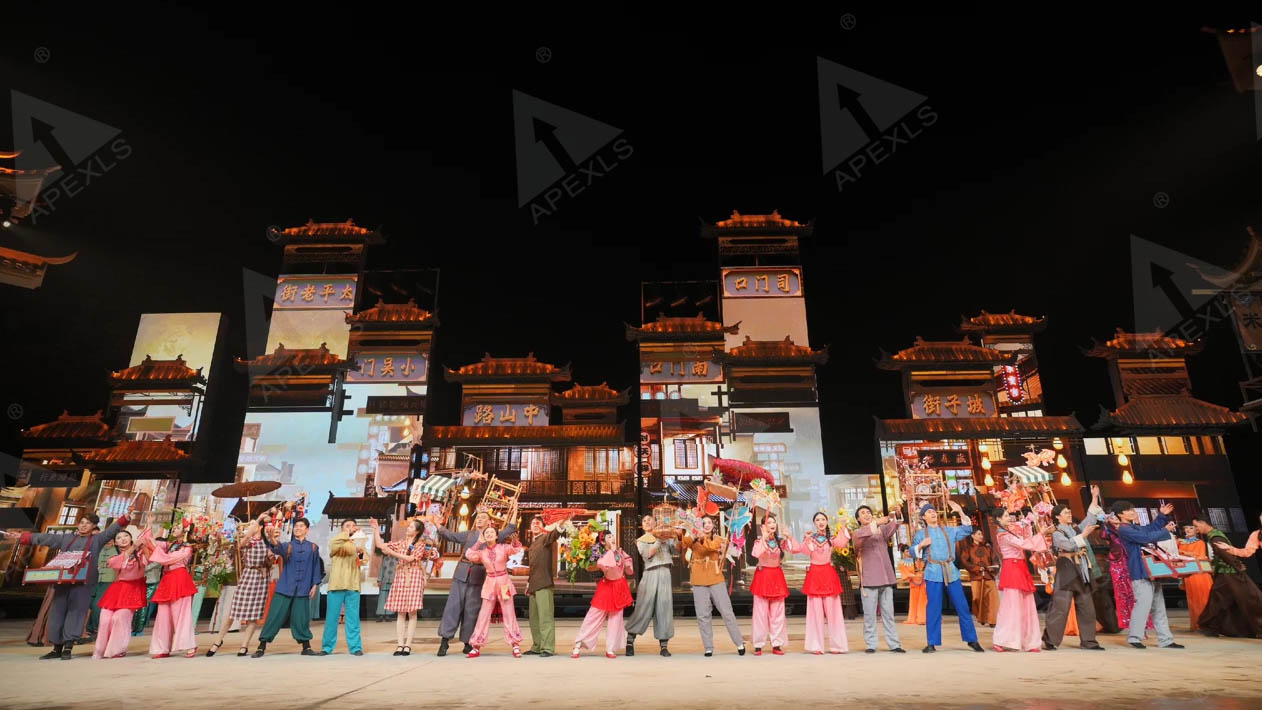
High-end cultural and brand events increasingly pursue “virtual–real fusion” rather than pure digital spectacle. Transparent LED technology supports this ambition at a fundamental level.
Dynamic Interaction with Performers
When performers move in front of a transparent LED screen, audiences see both the digital content and the performer’s silhouette simultaneously. This interplay creates a sense of depth and intimacy that solid screens cannot replicate.
Choreography can incorporate this layering. Dancers may appear to emerge from digital textures, while musicians perform against shifting city lights. The stage becomes a multidimensional space rather than a flat surface.
Time-Based Visual Narratives
Transparent LED displays allow designers to tell stories that unfold in sync with environmental changes. A performance can begin at sunset with minimal visuals, gradually intensifying as darkness falls.
This time-based approach resonates strongly with premium audiences, who value experiences that feel organic and unrepeatable.
Why High-End Cultural Tourism Embraces Transparent LED Stages
Cultural tourism projects aim to elevate destinations through art, performance, and storytelling. They often operate in iconic locations where visual integrity matters.
Outdoor stage LED transparent displays align naturally with these goals. They respect architectural heritage and natural beauty while adding a contemporary digital layer. As a result, organizers can enhance the site’s identity rather than overshadow it.
From a product perspective, custom creative LED solutions allow precise adaptation to each location. Screen dimensions, transparency ratios, and mounting systems can align with local regulations and aesthetic requirements.
This adaptability makes transparent LED displays an essential tool for destination-driven experiences.
Brand Shows: Creating Unforgettable, Shareable Moments
Luxury and premium brands seek more than visibility. They seek emotional resonance and memorability. Transparent LED stages deliver both.
By situating digital content within real-world environments, brands create scenes that feel cinematic and authentic. These moments translate exceptionally well to photography and video, driving organic social sharing.
Moreover, transparent LED installations communicate innovation and sophistication. They signal that the brand values creativity, context, and experience—not just scale.
Engineering and Customization: The Product Perspective
From the standpoint of a creative LED display supplier like Apexls, transparent LED stages represent a fusion of engineering and artistry.
Structural Precision
Outdoor installations demand robust structural design. Transparent LED modules must maintain alignment, withstand environmental stress, and integrate seamlessly with truss or architectural frameworks.
High-quality materials, precise tolerances, and modular design ensure both safety and visual continuity.
Visual Performance Balance
Transparency introduces unique challenges in brightness and contrast. Advanced driver systems and pixel layouts balance visibility with environmental integration, ensuring content remains vivid without overwhelming the background.
Custom Creative Solutions
Every stage differs. Custom LED transparent displays allow designers to shape screens around curves, facades, or irregular geometries. This flexibility empowers truly original stage concepts rather than standardized layouts.
From Technology to Emotional Experience
Ultimately, the value of outdoor stage LED transparent displays lies not in specifications alone, but in the experiences they enable.
They allow stages to respond to wind, light, and landscape. They transform static backdrops into permeable membranes between performance and place. They create moments where audiences feel immersed rather than separated.
From a product-driven viewpoint, transparent LED technology does not replace traditional stage design. Instead, it expands the vocabulary of visual expression.
Conclusion: When Technology Steps Aside, and the Stage Comes Alive
When stages “breathe,” audiences feel it instinctively. They sense openness, connection, and authenticity. Outdoor stage LED transparent displays make this possible by dissolving the boundary between digital content and the real world.
For high-end cultural tourism events and brand showcases, this approach delivers something rare: a stage that belongs to its environment rather than dominating it.
By embracing transparency, designers and producers move beyond the era of closed backdrops. They invite cities, landscapes, and skies into the performance. And in doing so, they transform technology from a visual barrier into a bridge—one that connects art, place, and audience in a single, living experience.