A plain-English guide to the latest non Gamstop casinos UK 2026, covering offshore licences, no deposit bonuses, real brands, and what to check before you deposit. read the latest non Gamstop casino guide


When selecting a storefront LED display, environment, performance, and functionality must align. Different categories of LED display screens serve specific commercial scenarios, which greatly influence visual outcomes.
Outdoor LED displays focus on high brightness and durability. With brightness levels between 3000 and 6000 cd/m², they ensure visibility under direct sunlight and heavy rain. Sealed waterproof designs make them ideal for facades and street-facing walls, attracting pedestrians even from a distance.
Indoor LED displays, designed for clarity and low energy use, range from 800 to 1500 cd/㎡ in brightness. High pixel density (such as P2.5 and P3) enables vivid and detailed visuals. They are perfect for window displays, cash register areas, and product showcases inside stores.
Semi-outdoor LED displays combine the two advantages. With splash-resistant protection and 1500–2500 cd/㎡ brightness, they perform well under eaves and glass walls. These LED display panels are popular for semi-open storefronts in retail chains.
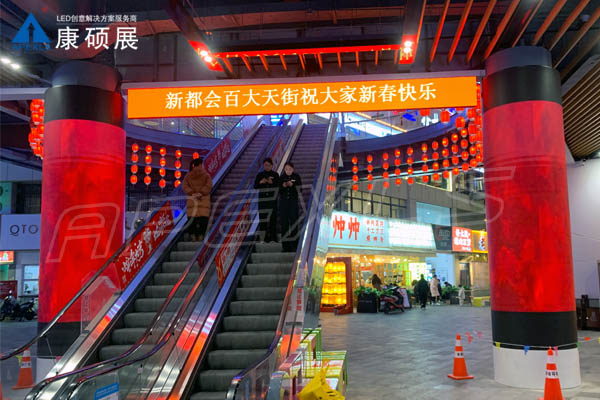
Storefront LED display screens and LED cylindrical screens
Monochrome LED displays show simple text in a single color and are energy-efficient, suitable for basic promotional messages.
Dual-color LED displays offer red-green combinations, allowing basic graphic displays at low cost.
Full-color LED displays use RGB technology to deliver dynamic, high-resolution visuals that strengthen brand identity and promotional impact.
LED display solutions can adapt to various operational goals—from attracting customers to enhancing in-store interaction.
Customer Attraction: Outdoor full-color LED displays broadcast brand videos and seasonal offers. Their vivid animations capture passerby attention, boosting foot traffic effectively.
Shopping Guidance: Indoor high-definition LED displays display product details and reviews, improving transparency and customer confidence.
Atmosphere Building: LED screens displaying seasonal or festive themes strengthen emotional branding. Visual synchronization with holidays such as Christmas or Lunar New Year increases engagement.
Information Display: Small commercial LED displays installed near entrances show business hours, queue numbers, and safety messages. This digital approach reduces printing costs while maintaining timely updates.
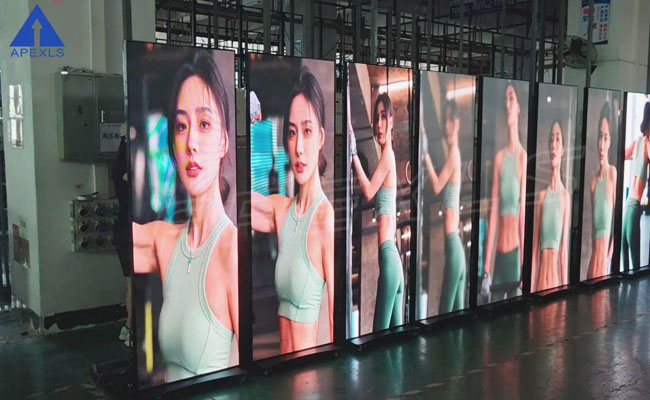
LED Poster display
The cost of LED display screens depends on several variables, including pixel pitch, size, color type, and service components.
Core Factors: Smaller pixel pitches and larger screen sizes raise costs. For instance, an outdoor P10 monochrome display costs around $200–$300/m², while an outdoor P6 full-color LED display may reach $600–$1500/m².
Accessory and Service Costs: Components such as power supplies, frames, and control cards add 10–20% to total pricing. Professional LED display installation also affects overall expenses, especially for complex high-altitude structures.
Price Reference by Scenario:
Small stores might invest $2000–$4000 in basic LED signage setups, while large flagship stores may spend over $20,000 for multi-screen configurations.
Proper installation and continuous LED display maintenance ensure stability and extended service life.
Installation Essentials: Choose mounting methods—wall-mounted, suspended, or embedded—based on space and weight requirements. Prior site inspections, electrical safety checks, and waterproof sealing are vital.
Testing and Acceptance: Post-installation testing of brightness, color uniformity, and control response ensures quality before operation.
Regular Maintenance: Cleaning outdoor screens every 1–2 weeks removes dust and pollutants. Monitoring for flicker or color deviation prevents faults. Professional inspections every six months help extend the lifespan up to 8 years.
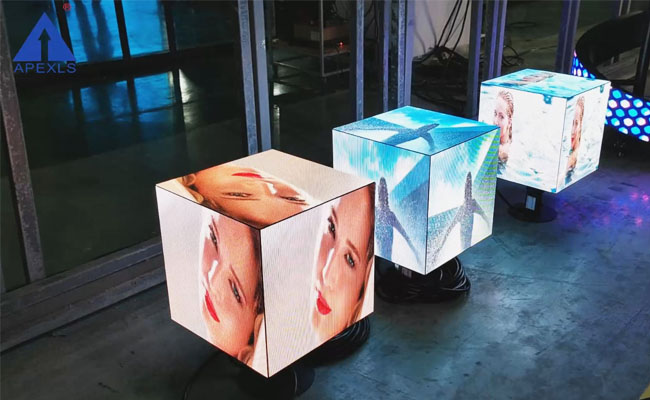
LED Cube display
The LED display industry is rapidly evolving toward higher resolution, smarter control, and sustainable design.
1. High Definition and Flexibility
Small-pitch and Micro LED displays deliver superior image clarity for close viewing. Meanwhile, flexible LED displays support creative installations such as curved surfaces and transparent glass windows, adding visual depth to store façades.
2. Intelligence and Interactivity
Future smart LED displays will integrate touch control, face recognition, and data analytics. These systems enable real-time content updates, interactive promotions, and seamless integration with store management systems.
3. Energy Efficiency and Sustainability
Next-generation eco-friendly LED displays use energy-saving diodes and automatic brightness adjustment, reducing energy usage by up to 50%. Recyclable materials promote sustainable production and disposal.
4. Integrated Digital Ecosystems
LED display technology will connect with smart retail tools—AI assistants, AR try-on mirrors, and digital signage systems—to build immersive shopping experiences. This integration turns every display into part of a unified digital marketing strategy.
As digital transformation accelerates retail innovation, Apexls LED display solutions provide reliable, flexible, and energy-efficient options for global storefronts. Through advanced technology, precise customization, and professional support, Apexls helps brands enhance visibility, reduce operational costs, and build sustainable commercial ecosystems.