A plain-English guide to the latest non Gamstop casinos UK 2026, covering offshore licences, no deposit bonuses, real brands, and what to check before you deposit. read the latest non Gamstop casino guide

The rental LED display industry is undergoing a quiet but profound transformation. For years, competition revolved around pixel pitch, brightness, and visual impact. However, as markets mature and margins tighten, rental companies increasingly measure success not only by how screens look, but by how efficiently they move, install, maintain, and monetize them.
In this new phase, two technical trends stand out as genuine game changers: lightweight structural design and front-maintenance capability. These features no longer represent optional upgrades or premium add-ons. Instead, they are redefining the cost structure and business logic of rental-stage LED displays.
From logistics and labor efficiency to inventory strategy and customer satisfaction, lightweight and front-maintenance designs fundamentally alter how rental companies operate. From a product perspective, especially for creative LED display customization providers like Apexls, these technical choices directly translate into commercial advantages for rental partners.
This article examines how these two design directions reshape costs, expand application scenarios, and ultimately improve profitability across the rental LED ecosystem.
Before understanding why lightweight and front maintenance matter, it is essential to examine the traditional rental LED display cost model.
Rental LED screens incur costs at multiple stages:
Transportation and logistics, including truck space, fuel, and loading equipment
Labor, covering loading, unloading, installation, dismantling, and on-site adjustments
Maintenance and downtime, including repair time, spare panels, and technical staff
Inventory pressure, as rental companies stock backup units to mitigate failure risks
Historically, rental LED displays focused on durability and visual performance, often resulting in heavy cabinets, rear-maintenance-only designs, and complex assembly processes. While these products delivered acceptable visuals, they quietly inflated operational costs over time.
As event schedules accelerate and clients demand faster setup with greater creative flexibility, these inefficiencies become increasingly visible. This is where next-generation rental stage LED displays begin to change the equation.
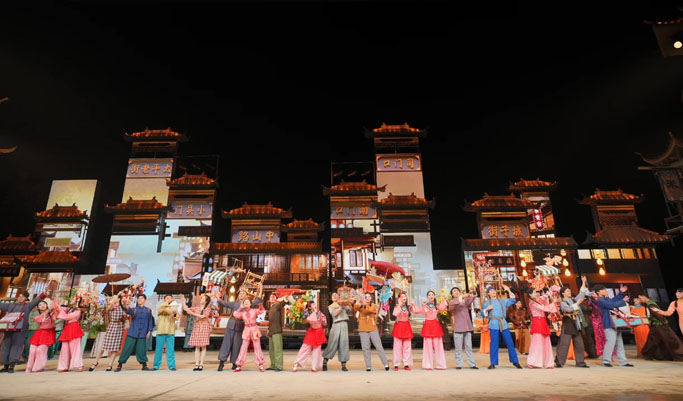
When discussing lightweight LED displays, many people focus narrowly on cabinet weight. However, true lightweight design represents a holistic engineering philosophy. It involves optimizing materials, structural layout, locking mechanisms, and internal component distribution.
Advanced aluminum alloys, magnesium blends, and high-strength composite structures allow modern rental stage LED displays to reduce weight significantly without sacrificing rigidity. At the same time, optimized cabinet geometry distributes stress evenly, ensuring structural integrity during frequent assembly and transportation.
The result is not only a lighter cabinet, but a system that performs reliably under repeated rental cycles.
Transportation costs scale directly with weight and volume. Lightweight rental stage LED displays reduce both.
Lighter cabinets allow more panels per truck, improving space utilization. Rental companies can transport larger screens or multiple projects in fewer vehicles. This efficiency reduces fuel costs, driver expenses, and carbon footprint.
Moreover, lighter panels simplify loading and unloading. Forklifts and cranes become optional rather than mandatory, especially for mid-sized projects. This flexibility proves invaluable in urban environments or venues with limited access.
Over time, these logistics savings accumulate into a significant cost advantage.
Labor represents one of the largest recurring expenses in rental operations. Lightweight LED panels directly reduce labor intensity.
Technicians can carry and mount panels more easily, reducing physical strain and fatigue. As a result, teams work faster and with lower injury risk. Faster installation and dismantling shorten working hours, enabling crews to handle more projects within the same timeframe.
Additionally, lightweight designs improve safety compliance. Venues increasingly enforce strict load limits for truss systems and stage structures. Lightweight rental stage LED displays allow compliance without compromising screen size or creativity.
Perhaps the most transformative effect of lightweight design lies in its ability to expand application scenarios.
Traditional heavy LED screens limit hanging installations due to load constraints. Lightweight rental displays enable large-scale hanging screens, curved structures, and multi-layer creative designs. This capability opens doors to concerts, festivals, exhibitions, and brand activations where visual impact depends on aerial or unconventional layouts.
For rental companies, this expansion means access to higher-value projects and premium pricing opportunities. Lightweight design, therefore, does not merely reduce cost—it actively increases revenue potential.
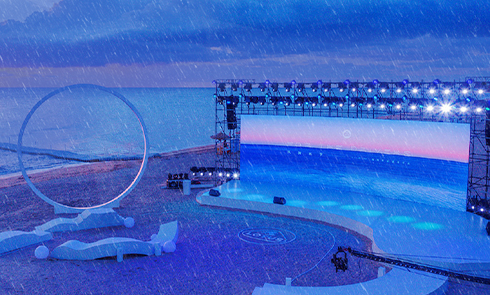
While a lightweight design reduces physical cost, front-maintenance capability attacks a different but equally critical expense: time.
Traditional rental LED displays often rely on rear maintenance. Technicians must access the back of the screen to replace modules, power supplies, or receiving cards. In many rental scenarios, this requirement creates serious inefficiencies.
Screens installed against walls, integrated into stage structures, or hung from trusses often provide limited rear access. Maintenance becomes time-consuming or requires partial dismantling of the entire screen.
As a result, minor issues can escalate into major delays, increased labor hours, and disrupted event schedules.
Front-maintenance rental stage LED displays eliminate these bottlenecks. Technicians can remove modules, power units, and control components directly from the front using magnetic or tool-assisted mechanisms.
This design dramatically shortens repair and replacement time. Instead of hours, maintenance tasks take minutes. More importantly, technicians can address issues without dismantling surrounding structures.
From a system perspective, front maintenance transforms LED screens from rigid installations into agile, service-friendly assets.
Downtime represents lost revenue in the rental business. A screen under repair cannot generate income.
Front-maintenance design minimizes downtime by enabling rapid on-site fixes. Rental companies can resolve issues during rehearsals or even between event segments, avoiding cancellations or client dissatisfaction.
Furthermore, faster repair cycles reduce the need for excessive backup panels. Traditional systems require large spare inventories to hedge against long repair times. Front-maintenance LED displays lower this requirement, freeing capital tied up in unused stock.
This inventory optimization directly improves cash flow and return on investment.
From the client’s perspective, front maintenance delivers peace of mind. Event organizers value reliability above all else. Knowing that technical teams can address issues quickly without disrupting the setup builds trust.
As a result, rental companies using front-maintenance LED displays gain reputational advantages. They can commit to tighter schedules, more complex designs, and higher service levels—often justifying premium pricing.
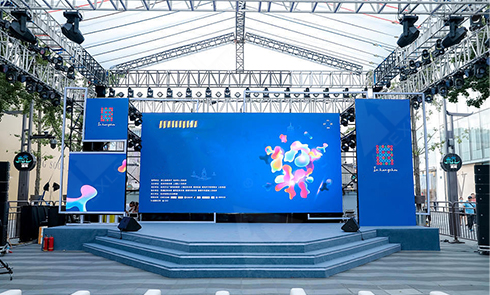
While lightweight design and front maintenance deliver individual benefits, their true power emerges when combined.
Lightweight cabinets make it easier to reposition or adjust screens. Front maintenance ensures that adjustments and repairs remain fast and accessible. Together, they create a rental stage LED display system optimized for speed, flexibility, and reliability.
This combination supports modern rental workflows characterized by:
Shorter setup windows
Rapid project turnover
Frequent configuration changes
Higher expectations for uptime
In such environments, technical efficiency directly translates into financial performance.
Traditional rental models emphasize asset ownership: more panels, more trucks, more staff. Next-generation rental stage LED displays shift the focus toward efficiency.
Lightweight and front-maintenance designs allow rental companies to achieve more with fewer resources. Fewer trucks, smaller crews, and leaner inventories become feasible without compromising service quality.
This transition improves scalability and resilience, especially in competitive markets.
When screens require less time to install, dismantle, and repair, utilization rates increase. Rental companies can schedule more projects per month with the same equipment.
Higher utilization spreads fixed costs across more revenue-generating events, improving margins. At the same time, reduced maintenance overhead protects profits during peak seasons.
Creative LED display customization increasingly defines premium rental projects. Curved screens, irregular shapes, transparent designs, and hybrid installations require agile hardware platforms.
Lightweight, front-maintenance rental LED displays support these demands by simplifying the handling and servicing of complex structures. This capability aligns perfectly with creative LED display customization strategies.
From a product development standpoint, lightweight and front-maintenance features must integrate seamlessly rather than exist as isolated specifications.
A well-designed rental stage LED display balances:
Structural strength and reduced weight
Front access without compromising panel alignment
Fast locking systems with precise tolerances
Durability for repeated rental cycles
When these elements align, the product supports not only visual excellence but also long-term rental profitability.
In the rental LED display industry, technology no longer competes only on visual performance. It competes on economics.
Lightweight design reduces logistics and labor costs while unlocking new creative applications. Front maintenance minimizes downtime, lowers inventory pressure, and enhances client confidence. Together, they reshape the cost structure that defines rental success.
For rental companies, adopting next-generation rental stage LED displays represents a strategic decision rather than a technical upgrade. For creative LED display suppliers like Apexls, delivering these capabilities means empowering partners to operate more efficiently, profitably, and creatively.
In this sense, lightweight and front-maintenance design do more than improve products—they redefine how the rental LED business works.