A plain-English guide to the latest non Gamstop casinos UK 2026, covering offshore licences, no deposit bonuses, real brands, and what to check before you deposit. read the latest non Gamstop casino guide

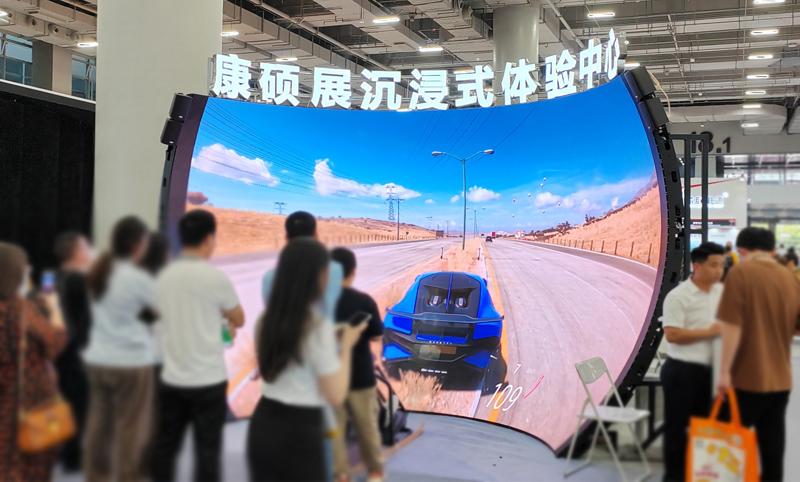
Modern dome theaters evolve with innovation in LED display design, audience mobility, and visual simulation. Each type delivers a unique visual and emotional experience.
The naked-eye track theater combines freedom and realism through high-definition LED display screens. Audiences view 3D-like scenes without any glasses, while the viewing cabin follows motion-synced tracks. As LED imaging transitions smoothly with movement, it strengthens immersion. Moreover, atmospheric effects—fog, light, or scent—coordinate with screen visuals, enhancing the authenticity of the LED-based environment.
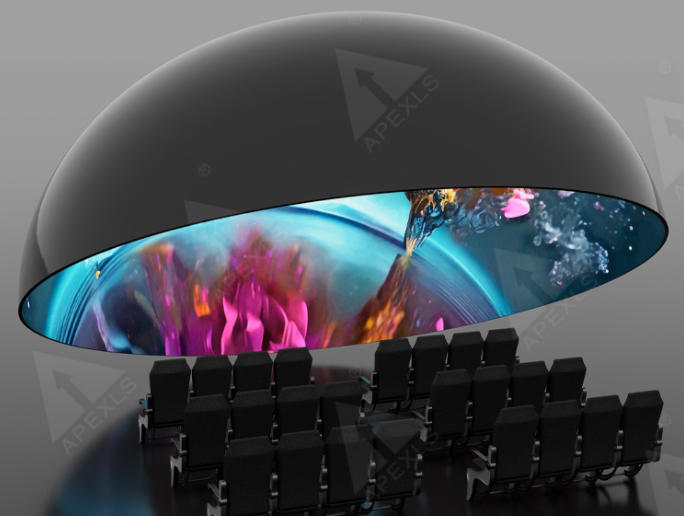
In dome flight theaters, suspended cabins and curved LED dome displays simulate flying through clouds and landscapes. The hemispherical LED screen envelops viewers, while real-time cabin tilts amplify the illusion of flight. Since this setup requires less height than traditional projection systems, it suits commercial LED theater installations and theme parks seeking efficient yet impressive experiences.
This high-end form of dome theater pushes the limits of 8K LED display technology. Viewers stand on suspended platforms, surrounded by a 360° LED dome that visually isolates them from reality. Ultra-realistic textures, combined with dynamic motion control, simulate turbulence, depth, and light intensity, producing a lifelike illusion. These LED theaters are often the centerpiece of high-tech tourism projects due to their unparalleled visual impact.
Propulsive dome theaters rely on continuous-flow LED viewing cabins. The chain-driven design allows non-stop viewing, maximizing capacity. LED panels offer consistent brightness and precision across the dome, ensuring stable color performance throughout motion sequences. Museums and science centers prefer this type for educational storytelling, where both clarity and motion synchronization matter.
As the ultimate panoramic experience, 360-degree LED dome theaters place the audience at the heart of the sphere. Multiple LED projectors seamlessly blend across surfaces, eliminating any image gap. Surround-sound LED synchronization ensures audio-visual harmony. This setup suits astronomy or geography displays, letting viewers explore galaxies or rainforests in full LED-rendered depth.
The versatility of LED-based dome theaters extends far beyond entertainment. Their adaptability and visual strength make them valuable across industries.
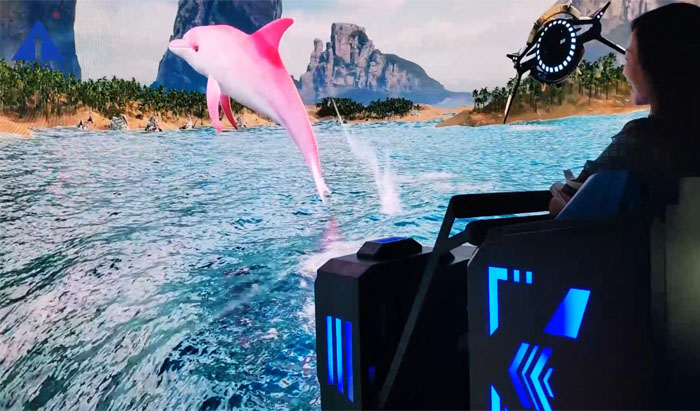
Amusement parks increasingly use LED dome displays to complement thrill rides. Through custom LED films, such as “Journey Through the Skies” or “Ocean Flight,” parks integrate storytelling and visual immersion seamlessly. Since LED theaters are not weather-dependent, they stabilize visitor flow year-round, balancing peak and off-season operations.
Science museums and planetariums leverage LED display domes for education. By turning abstract theories into LED-projected visuals, they simplify complex concepts. Students, for example, can explore solar system models or molecular reactions in vivid LED animation. Regular updates using trending scientific themes further attract younger audiences, stimulating long-term engagement.
LED dome theaters also enrich shopping malls and cultural landmarks. They draw attention, drive foot traffic, and serve as immersive promotional tools. In tourist zones, custom LED domes display historical stories or natural wonders, promoting regional culture through visual storytelling. Some schools even adopt small-scale LED domes as “interactive learning theaters” to enhance classroom immersion.
The durability and brilliance of LED display modules define the success of dome theaters. From 3D content creation to modular control, every aspect determines visual performance and cost efficiency.
3D animation remains core to dome content. Unlike 2D projection, LED display curvature mapping ensures accurate perspective across every seat. Using 4K–8K LED rendering, studios simulate complex environments—from outer space to prehistoric oceans—at cinematic precision. As virtual production advances, real-time LED rendering will further reduce content costs while improving creative flexibility.
Dynamic LED dome theaters synchronize cabin movement with visual content. Servo-driven platforms shift seamlessly with LED sequences. Mist, wind, and light react to specific scenes, blurring the line between digital and physical. These interactive LED systems, now modularized, lower adoption costs and simplify maintenance.
The cost of a custom LED dome display depends on size, resolution, and special effects. Small 8–12m domes cost around $1–2 million, mid-sized around $3–5 million, and large suspended LED domes can exceed $7 million. With steady visitor flow, ROI cycles typically range between 2–5 years, faster in high-traffic entertainment hubs.
The evolution of LED display dome theaters demonstrates how digital creativity transforms entertainment, education, and culture. Through seamless integration of LED imaging, motion systems, and interactive effects, these theaters redefine immersive storytelling. As LED costs drop and image quality improves, custom LED dome displays will become the standard for future experiential spaces. Apexls continues to provide professional creative LED display solutions, helping partners worldwide build durable, energy-efficient, and visually stunning dome environments.