

LED displays are increasingly widely used in outdoor advertising, municipal lighting, park signage and other scenarios, and energy-saving performance has gradually become one of the core considerations in model selection. It is particularly crucial to choose the right outdoor energy-saving LED display to ensure clear visual effects in outdoor environments while controlling power consumption costs. Below we break down its core advantages and provide a detailed selection guide.
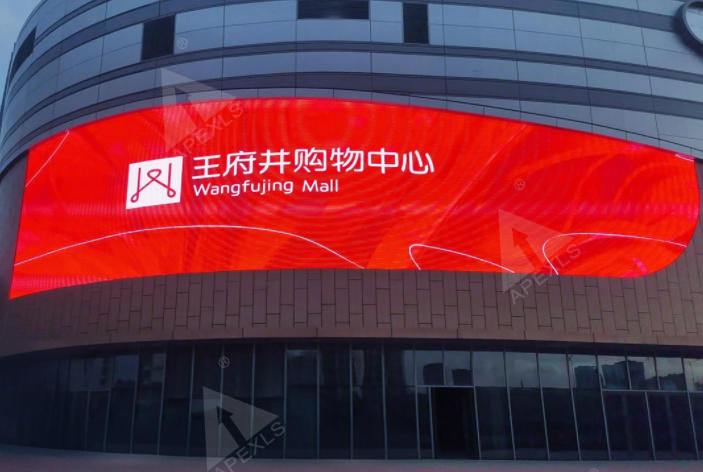
I. Core Advantages of Outdoor Energy-Saving LED Displays
1. Low Power Consumption for Cost Reduction & Significant Long-Term Benefits
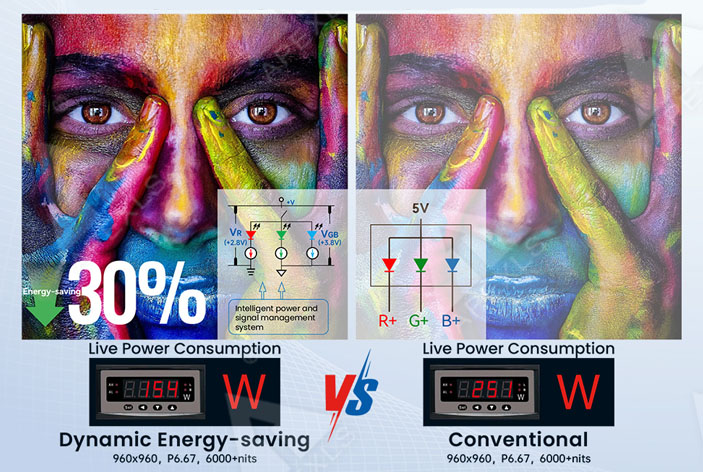
Equipped with low-power driver chips, energy-saving power supplies and intelligent brightness adjustment technology, outdoor energy-saving LED displays can reduce power consumption by 30%–50% compared with traditional outdoor LED screens.
For 24/7 or long-running outdoor scenarios such as commercial street advertising screens and highway information screens, they greatly cut electricity expenses, with outstanding cost advantages in long-term use.
2. High Protection for Complex Outdoor Environments
High-quality outdoor energy-saving LED displays feature an IP65 or higher protection rating, resisting harsh outdoor conditions including rain, wind, dust, and extreme temperatures.
Energy-saving technology does not compromise protection performance, ensuring stable operation with lower power consumption and adapting to plazas, parks, highways and other outdoor sites.
3. Intelligent Dimming Balances Display Effect & Energy Saving
Most of these displays are equipped with an ambient light sensor system, which automatically adjusts screen brightness according to day, night, cloudy, sunny and other lighting conditions.
They maintain high brightness and clarity under strong daylight, and lower brightness at night to avoid light pollution, guaranteeing all-weather visibility while further reducing unnecessary energy use.
4. Long Service Life Reduces Maintenance Costs
Energy-saving technology is usually combined with low-heat hardware design, producing less heat during operation.
This effectively slows down the aging of core components such as LEDs and power supplies, extending the overall service life to more than 50,000 hours. It not only reduces the frequency of parts replacement, but also lowers later maintenance labor and material costs.
II. Selection Guide for Outdoor Energy-Saving LED Displays
1. Prioritize Core Energy-Saving Technologies
Check the driver chip model and prefer chips with low-power technology to reduce current loss.
Confirm whether it is equipped with an intelligent power management system for low-power standby, overload protection and other functions.
Look for dynamic energy-saving modes that adjust power consumption based on the brightness of content areas, avoiding full-power operation across the entire screen.
2. Determine Panel Parameters Based on Scenarios
Pixel Pitch: For short-distance viewing (e.g., commercial street storefront screens), choose P2.5–P4; for long-distance scenarios (e.g., plaza large screens, highway screens), choose P6–P10. An overly large or small pixel pitch wastes resources and indirectly increases power consumption.
Brightness Range: Outdoor displays require a basic brightness of over 5000 cd/㎡ to cope with strong light, and support stepless brightness adjustment to below 1000 cd/㎡ at night, balancing energy saving and light pollution prevention.
Protection Rating: Must meet IP65 dustproof and waterproof rating. Northern regions should emphasize low-temperature resistance, while southern regions need moisture and salt-fog resistance.
3. Verify Actual Power Consumption Data
Do not only rely on the “energy-saving ratio” advertised by manufacturers. Request third-party tested power consumption reports and compare power data under the same size and brightness.
Also inquire about electricity costs from real cases — such as the difference between energy-saving and standard displays in the same location and operating hours — to ensure real and practical energy-saving effects.
4. Focus on Supporting Intelligent Control Systems
High-quality energy-saving displays come with an intelligent central control system, enabling remote on/off, timed dimming, power consumption monitoring and more.
This reduces manual operation costs and further improves energy-saving effects through refined management, avoiding energy waste caused by human error.
5. Evaluate Brand After-Sales Service & Warranty
Choose brands with a complete after-sales system and confirm the warranty period of core components (LEDs, power supplies, driver boards).
Failures in core energy-saving components directly affect performance and user experience, and reliable after-sales support avoids extra later maintenance costs.
Apexls can help you customize a precise selection list for outdoor energy-saving LED displays according to different application scenarios, such as commercial streets, municipal parks, and highways. Would you like this service?