

Modern interior design increasingly demands digital solutions that combine aesthetics and functionality. Ultra-thin and flexible indoor LED panels meet this demand. They transform blank walls into interactive media surfaces without compromising interior space. Unlike traditional rigid displays, flexible panels integrate seamlessly with architecture, allowing designers to create curved walls, dynamic ceilings, and immersive visual experiences.
Conventional LED walls often appear bulky. Their depth requires reinforced structures, limiting design possibilities. Ultra-thin LED panels solve this problem by reducing profile depth to only a few centimeters. Designers can attach panels directly to walls, ceilings, or existing fixtures. This compact form factor maintains clean lines and preserves spatial harmony. Moreover, ultra-thin panels reduce installation weight, minimizing the need for heavy support frameworks.
By adopting ultra-thin technology, architects and interior planners gain flexibility. They can design digital signage or art installations without major structural modifications. Spaces previously unsuitable for large screens now accommodate high-resolution LED walls. In commercial environments, hotels, office lobbies, and museums benefit from visually striking installations that remain unobtrusive and elegant.
Flexibility in LED panels enables more than just thin profiles. Panels bend gently to conform to arches, columns, or cylindrical surfaces. Modular design ensures panels connect seamlessly, maintaining consistent pixel density across curves. This feature opens new possibilities for experiential environments, where content flows continuously along curved surfaces. For example, a lobby with a curved LED wall can display panoramic imagery or branded storytelling.
Flexible indoor LED panels also allow creative experimentation in small spaces. Narrow corridors or irregularly shaped exhibition areas can host dynamic LED displays. Designers can integrate panels into furniture, partitions, or ceilings, creating interactive zones that engage visitors. By combining flexibility with modularity, interiors become more immersive, personalized, and visually captivating.
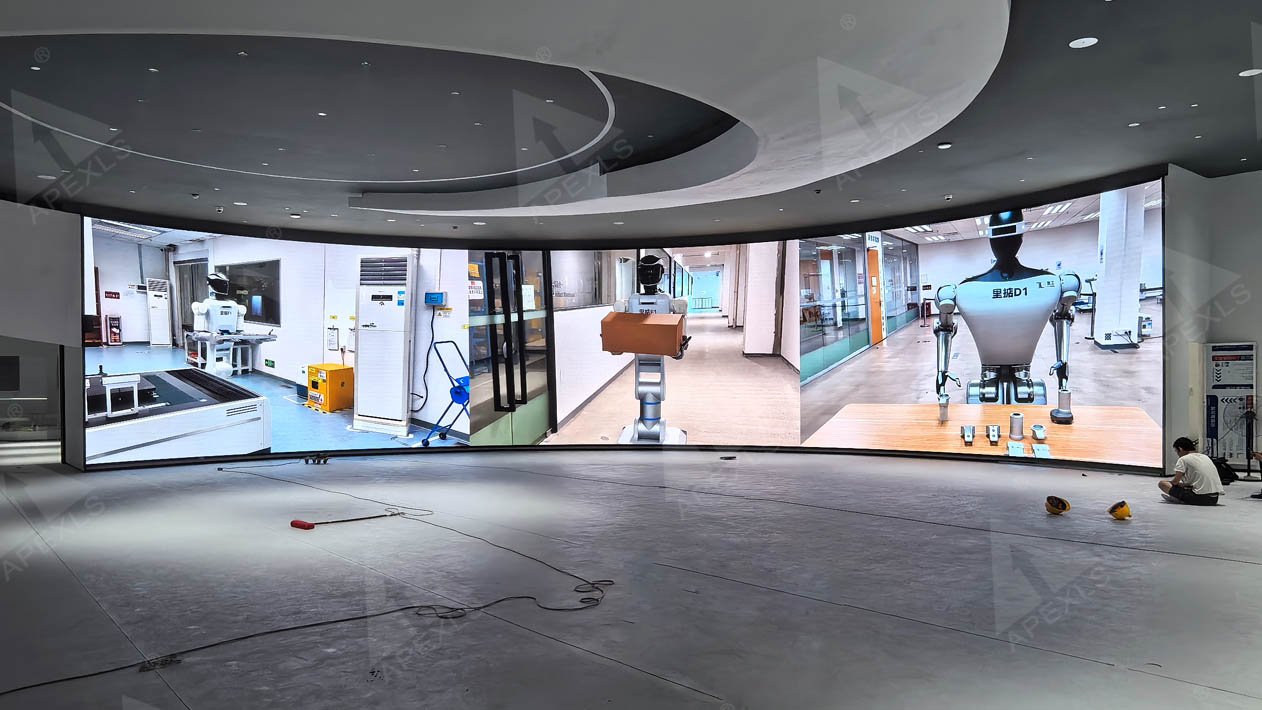
Despite their thinness, modern flexible LED panels deliver high-resolution performance. Advances in SMD LED technology allow fine pixel pitches below 2.5mm. These pixel densities enable detailed video, graphics, and text without visible gaps. Even on curved surfaces, content clarity remains consistent. For retail, corporate, or gallery applications, this ensures messaging remains sharp and professional.
Brightness control and color calibration are critical for indoor LED panels. Flexible panels offer precise dimming and uniform color across modules. This capability reduces eye strain for viewers while enhancing content visibility in varied lighting conditions. Consequently, designers can deploy LED walls in spaces ranging from sunlit atriums to dimmed conference rooms without sacrificing performance.
Flexible indoor LED panels integrate naturally with modern interiors. Their ultra-thin form allows flush mounting, recessed installations, and embedded framing. Curved LED ceilings create dramatic focal points, while wall-mounted panels offer functional signage or branding opportunities.
Furthermore, flexible panels support creative content mapping. Architects can combine physical and digital elements, layering LED visuals with decorative textures or structural features. The result is a holistic interior experience where technology and design coexist. For commercial spaces, this approach enhances brand perception and visitor engagement.
Modular construction simplifies installation and maintenance. Individual LED panels attach to a lightweight frame, allowing rapid assembly or replacement. For large walls, technicians can replace single modules without dismantling the entire installation. This modularity reduces downtime and operational costs.
Additionally, advanced modular designs maintain uniform electrical and signal connections. Panels connect through concealed cabling, preserving clean aesthetics. System redundancy ensures continued operation even if one module fails. For high-traffic environments, reliability and maintainability remain critical factors in selecting LED technology.
Ultra-thin, flexible LED panels suit a wide range of indoor applications.
Retail Spaces: Curved LED walls create engaging brand experiences. Interactive displays attract customers and enhance product storytelling.
Corporate Offices: Flexible LED panels serve as dynamic information boards, conference visuals, and decorative installations.
Hospitality: Hotels use LED walls in lobbies, bars, or event spaces to enrich ambiance and provide adaptable content.
Museums and Galleries: Curved and immersive displays allow creative exhibition layouts, supporting dynamic storytelling.
Event Venues: Modular panels enable temporary installations for exhibitions, conferences, or live shows, providing scalability and portability.
Each application benefits from thinness, flexibility, high resolution, and modularity, ensuring that visual impact does not compromise design intent.
Several technological trends drive the adoption of flexible LED panels:
Advanced Pixel Mapping: Enables seamless content alignment across curved surfaces.
Lightweight Materials: Reduce weight while enhancing durability and heat dissipation.
Smart Control Systems: Integrate LED panels with IoT for automated brightness, color calibration, and remote management.
Energy Efficiency: Modern panels consume less power while maintaining brightness and color consistency.
These innovations increase design freedom while reducing operational and maintenance costs. Interior planners gain confidence that LED installations remain reliable and visually stunning over time.
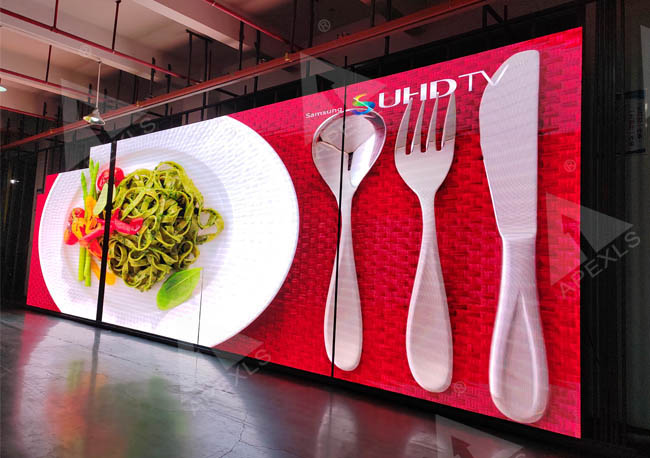
Sustainability increasingly influences interior design decisions. Flexible LED panels are energy-efficient compared with traditional lighting or projection systems. Low power consumption reduces operating costs and carbon footprint. Furthermore, modular panels minimize material waste during installation or replacement. Using recycled materials for casings and components further enhances environmental responsibility. By selecting flexible, ultra-thin LED panels, designers align technology with green building standards.
Despite advantages, ultra-thin and flexible panels require careful planning. Heat management is critical because compact panels generate concentrated thermal energy. Integrated cooling solutions, such as heat sinks and ventilation channels, prevent performance degradation.
Installation precision is also essential. Curved surfaces demand exact alignment to avoid visual distortion. Advanced mounting systems and calibration software ensure accurate module placement and consistent content display.
Connectivity is another consideration. Flexible panels rely on high-speed data transmission to maintain real-time content updates. Modern systems use robust digital cabling, wireless synchronization, and intelligent controllers to address this need.
The rise of ultra-thin and flexible indoor LED panels reflects a broader trend toward seamless digital integration in interior design. Their combination of thin form, flexibility, high-resolution performance, and modularity allows designers to create immersive, adaptive, and visually captivating environments.
As technology advances, these panels will continue transforming modern interiors, supporting applications from corporate spaces to retail, hospitality, museums, and events. By adopting flexible indoor LED panels, designers and facility managers deliver engaging experiences while preserving space, enhancing aesthetic appeal, and maintaining operational efficiency.
Flexible indoor LED panels are not merely displays; they are design tools that blend technology, art, and architecture, redefining the possibilities of modern interior spaces.